About
Welcome to Pen & Paper. If you are reading this page, then you are wondering if this course is for you. I would like to help you to understand if we - student and teacher - are a good fit.
The best way for you to judge whether or not this course is for you is to read my writing and listen to my voice.
I could provide glowing testimonials or make promises of best seller status upon completion of the course, but those are marketing ploys. I feel that it is best to let my words speak for themselves.
Scroll down to find excerpts of my writing.
My Writing
Autobiographical Fiction
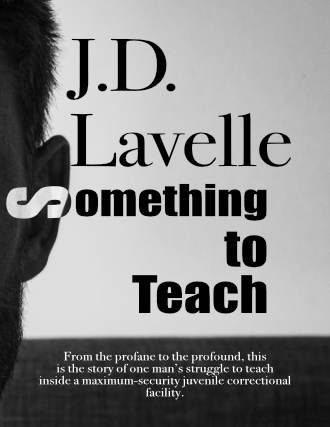
Something to Teach
Something to Teach is the unforgettable journey inside the walls of a maximum-security juvenile correctional facility with a teacher who learns that teaching on the inside is not for the faint of heart.
Rom-com
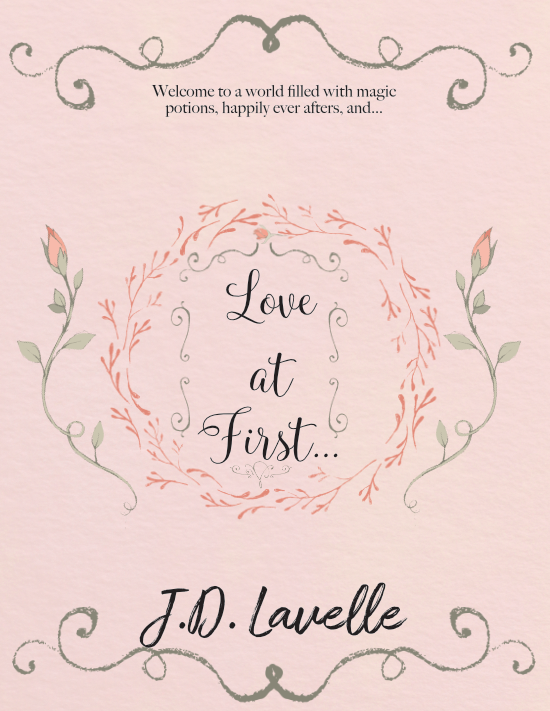
Love at First...
Mariel MacEwan was firmly grounded in reality. She had no time for fairy tales or any other such nonsense. But what happened when a stranger appeared and asked her to dance? And told her that he loved her...that very same night? Mariel learned that "love at first..." was not just the stuff of dreams.
YA Fiction
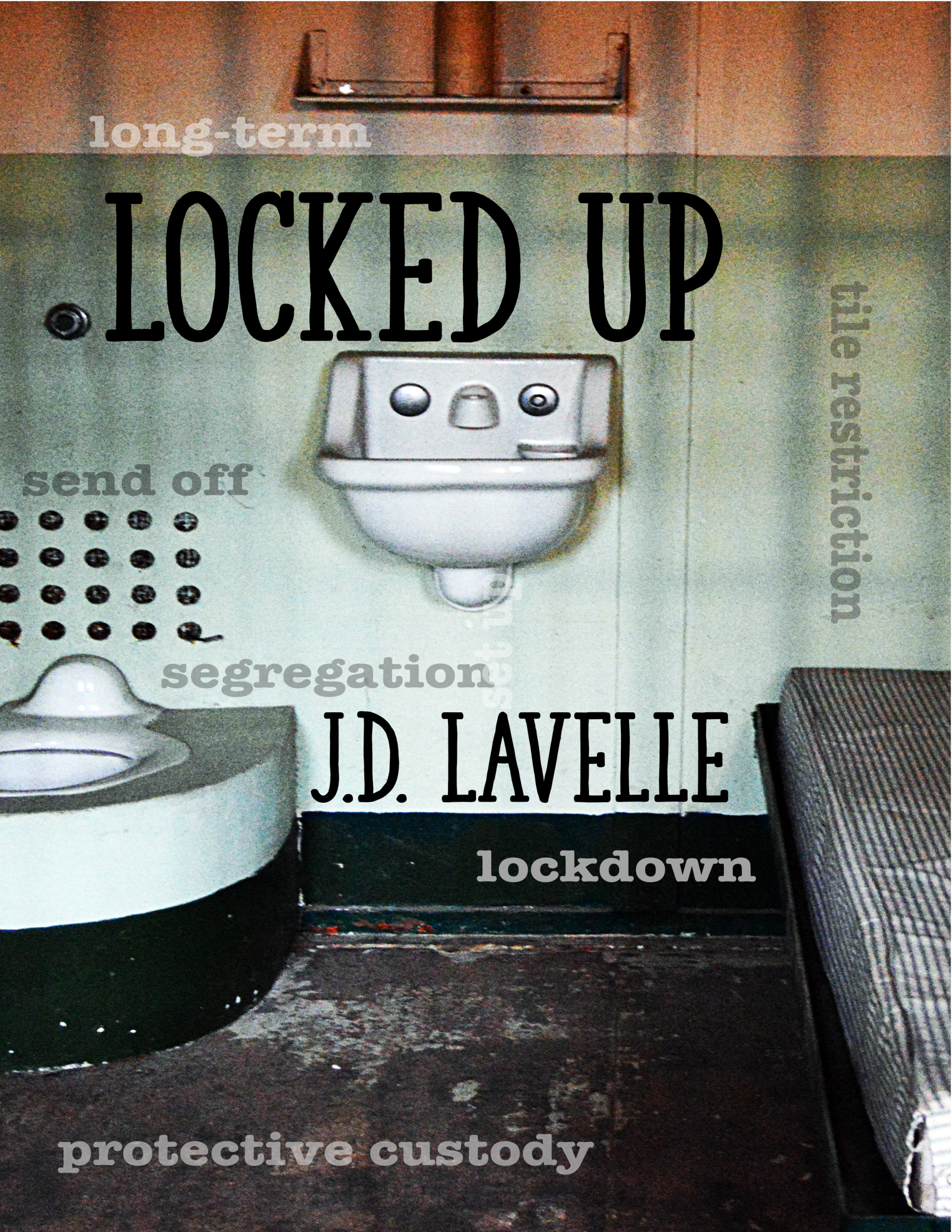
Locked Up
Things are not okay for Brian as he tries to navigate the perils of life on the inside. He learns that there is only one person that he can count on - himself. And it's his time to do.
Frequently Asked Questions
Where will I take this course?
From the comfort of your own home. Or anywhere you can access (and print) the online materials. This digital age that we live in makes online learning a possibility.
When can I take this course?
You can access the course materials as soon as you purchase it. The one-time fee gives you lifetime access to the course (and subsequent updates to it for as long as the course remains online).
Do I have to enroll in the online course to access Lessons?
No. You do not have to enroll in the course to sign up for a Lesson. The two are independent of one another and represent two different ways of learning. If you are just starting out on your writing journey, then I suggest that you take the course first. If you are a more seasoned writer, then you are more than welcome to start with a Lesson.
What books have you written?
I am the author of Something to Teach, Love at First..., My Brother's Keeper, Crossroads, and Locked Up. I have been writing and teaching for over twenty-five years. You can see more of my work at jdlavelle.com.
What sort of materials or equipment do I need for this course?
- You need a computer - or some way to access the digital materials.
- You need a printer (or some way to print the PDFs). In the editing section, I want you to print certain pages and then edit them with pen in hand. Can you still take the course without printing the materials? Yes, but you will get more out of the course by "doing the work", i.e., printing the pages and editing with pen on paper.
- You need a pen or pencil (to edit and revise).
What about AI?
Music is the Metaphor
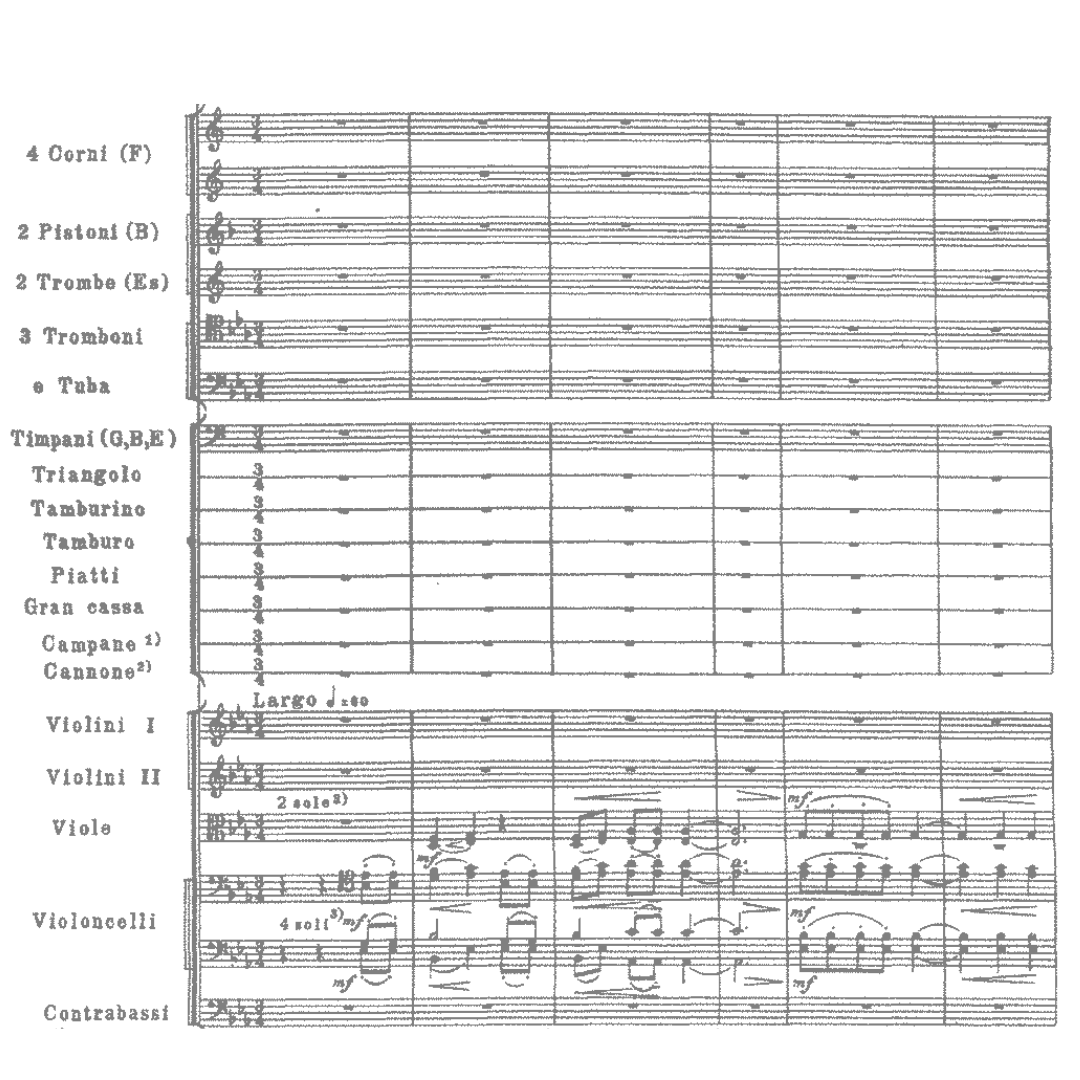
Music is an oft-used metaphor here at Pen & Paper. It is also the framework for how I think about the teaching and learning the craft of writing fiction.
If you asked me today to go sit in a room, all by myself, and write a story – for hours and hours – then my eyes would light up with anticipation.
Why?
Because that sounds like fun to me. It doesn't sound like work…or worse.
Attend, while I tell a tale.
For most of my formative years I was heavily involved in music. At first, I just loved to listen to music – mostly classical. Then, as I grew up, I learned that I could make music - both as a musician and a composer.
My dream/goal/desire was to be a professional musician. I practiced daily, took private lessons, and was a part of several orchestras in and outside of high school. I was exposed to great musicians, great music, and great music teachers. These experiences stoked the flames. My passion for music, already hot, grew hotter still when I was able to play alongside professionals. This was going to be my life.
There was a grand narrative that I had written in my mind. I would go to the university and then triumphantly emerge from my undergraduate studies with a degree in music performance.
In order to gain entrance to the university's music program, I had to do an audition. It did not go well. I flubbed it – a case of the nerves. Indeed, there was a lot riding on this audition – all of my dreams/goals/desires. It was a blow to my ego but I was undeterred. I enrolled in all of the music classes that I would have otherwise taken had I been accepted into the program. I even took a class in music composition - if I couldn't make the music, then I would write it. The revised plan was to study music, practice, and audition again after the first semester. It was not unusual to audition more than once before being accepted. It was one of the top programs in the nation.
Over the course of the school year, as I studied composition, took lessons, and spent hours in practice rooms, a realization dawned on me.
“I’m not like these people. At all. I don't think like them. I do not experience the world like them. They are musicians. I am not.”
Certainly, I could read music, discuss music theory, and perform music. I could do all of these things, but I did not think musically. There were no melodies or harmonies running through my head. I had no ear for music - not in the way that a true musician does. It was impossible for me to hear something in my mind and then make that unheard sound a reality. I could not look at quarter notes and eighth notes on a page and hear the music or feel the emotions associated with those notes.
There was a second audition. A second failure. And a hard dose of reality.
There was a huge leap from being one of the top musicians in a large high school to playing at the collegiate level. A more professional level.
And I was not there.
What was more, I hated sitting in a practice room for hours on end. Not only was I supposed to practice my own instrument, but I had to learn the piano as well. Certainly, in high school I had practiced regularly – daily, but only for about an hour or so. These people - these musicians – practiced for hours on end. Every single day. Sitting alone in a cramped practice room with not one, but two, instruments, was awful.
So what happened to that grand narrative that I had written in my mind?
It had to be scrapped and rewritten…from scratch. Not an easy task. But it was, and is, my work. And I revel in it. It is worth noting, that throughout this site and the courses offered herein, I will ask you to reflect upon your own thoughts about yourself as a writer. This is your work.
So how did I rewrite this narrative? I learned, over time, (and with help) that I am a storyteller. I always have been.
And I learned that music was the background to the narratives that had always been running through my head. We all know that a movie without climactic music swelling at the perfect point is less of a movie. But this music is in the background. It enhances the story, but it is not the story. For me, music was the undercurrent to the stories in my head. It had always been thus, but I did not know it then. I do know it now.
Okay, so what? What does this have to do with writing?
I like sitting in a room all by myself with pen and paper. Writing. For hours on end. Do you? If you do, then press onward. If not, then please spend the time to figure out what you could and would do for hours on end. Writing - and this course - may not be for you, if you don't like the thought of spending time getting words on the page.
Understand that being a composer of music is very similar to being a composer of words. Both are creative acts.
There are certain books and symphonies that are considered greats. What is it that makes them great? Within each of these disciplines - music and writing - an artist must have both skill and experience in order to make something praiseworthy. Skill and experience make for good craftsmanship. And both types of composers need to practice their craft.
And that takes time and practice.
Can you sit for hours and hours...writing? And do you like telling stories? If so, then Pen & Paper may be for you.
__________
What is the framework for teaching and learning here at Pen & Paper? How do I think you should learn the craft of writing fiction?
I think it is best approached in the same manner that Mozart and Beethoven learned to compose music. They were taught the basics of music theory and then took lessons from teachers. There was no formal university education - it was more of an apprenticeship. That is how I designed Pen & Paper. Think of the course components as the "music theory" and the lessons offered herein as putting the theory into practice.
Many online writing courses combine both instruction with a review of student writing. I have separated the two...for a reason. To save you money and potential frustration. Remember, writing is a creative act and nothing stifles creativity more than pressure. If you feel constrained to write something for this course, then you might feel pressure and subsequently have difficulty getting words on the page. You don't have to write a single word when you register for the course. It is entirely up to you how you want to engage in the course materials. Obviously, I would like you to write and work on your own writing, but there is no obligation to do so. You are free to pursue your writing as you see fit. When you are ready to have me look at your writing, then you can take a lesson. On your time.
Additional Thoughts
The Goal of Writing
What is the goal of writing? To elicit emotions from your reader.
And if you do it well, they they will read your writing more than once. And buy other things that you write.
Here is an important question. Do people listen to Beethoven’s 5th one time and say, “That was great. I’m done with it. I don’t think that I will ever listen to it again”? No. They listen to good music again and again. Why? Because it’s beautiful and it provokes an emotional response. Human beings are hardwired to respond to emotion.
We want to experience powerful emotions again and again. So if you can put words on the paper that provide powerful emotional experiences for readers, then they are going want to read your stories again and again. Please note that publishers make a lot of money re-publishing books from years and years ago. Why? Because people buy them. I do.
Here’s an example from outside of the realm of publishing pulling something from the past and playing it over and over again.
Every year during the holiday season a movie airs on television. The Sound of Music. Every year it comes on. And every year, I sit down with my bride and we watch it together. Why? Because it’s good. It provokes powerful emotional responses in the viewer.
Here’s an example of a scene that is incredibly well-crafted and provokes an emotional response. Near the end of the movie, the Von Trapp family singers are at the Austrian national singing competition. The head of the family, Baron von Trapp (Georg), sings Edelweiss - he is singing and saying goodbye to his homeland, Austria. It is just the man, singing alone…and his voice cracks. With emotion. This - the man who who barely showed any emotion at all throughout most of the movie - his voices cracked. He refused to see his love for Maria. He was cold and distant with his children. The man was made of ice, and it was his voice that cracked. The emotional moment continues when his family joins in the song and then the entire audience. It is a brilliant piece of storytelling. So very well done.
That is what you should be aiming for in your writing. If you don’t provoke an emotional reaction with your words, then you ain’t doing it right. The reader must get caught up in your story.
There are movies that I watch, books that I read - ones that I have read time and time again - and I know exactly what the director/author is trying to do. I know that he or she is trying to set me up for the knockout punch. And yet, I fall for it. Every time. That’s why I rewatch or reread something - to have that emotional experience. Again.
Let me finish with a really good example from literature. The immortal lines of Mark Twain. This is the climax moment in the novel. Huck has penned a letter to Miss Watson regarding his friend Jim who is being held captive. He’s holding the letter in his hands. If he delivers the letter, then Jim will be returned to slavery. He has a choice. Here’s what Twain wrote.
It was a close place. I took it up, and held it in my hand. I was a-trembling, because I’d got to decide, forever, betwixt two things, and I knowed it. I studied a minute, sort of holding my breath, and then says to myself: “All right, then, I’ll GO to hell” - and tore it up.
_____
Powerful words.
Huck Finn believed that he was consigning his soul to damnation, and it was this very act of faith that makes his words so powerful.
Your writing needs to contain the very same emotional impact.
Why is writing important?
Writing is a reflection of our age - the times that we currently live in. It is a record of who we are. For that reason alone, writing is important. However, writing can - and does - serve a larger purpose. Consider Uncle Tom's Cabin and its impact on the American Civil War. Or consider how a good story can help a soul wile away a lazy summer afternoon. Or provide comfort. And so much more.
The course is designed to help you find your writing voice. There is no reason why it shouldn't be heard (unless you're writing maudlin trash - no one wants to read such stuff).
How important is the study of grammar (the mechanics of writing)?
You need to be able to effectively communicate your thoughts. If a reader has to stop and think about what you are trying to say because of issues with the mechanics of your writing, then you are going to struggle to keep the attention of your readers.
This is not a course in grammar and mechanics, but I do ask you to find said mistakes in the Editing and Revising portion of the course.
